Past the city limits the rules change. Your water comes from a well, your waste goes to a septic system, your zoning decides what you can build, and your lender may have opinions about all three. None of it is complicated once someone explains it. All of it is expensive to learn the hard way.

On a well, you want the well log, the depth, the recorded flow rate, and a current water test. A low producing well is not automatically a dealbreaker, but it is absolutely a planning item, and finding out about it after closing is a rough way to start. Oregon keeps well logs on file. Pulling them is not hard when you know to do it.
Systems have a type, an age, a drainfield location, and a maintenance history. The county holds permit records. A system that has been pumped and inspected on schedule is a very different purchase from one nobody has thought about in fifteen years. If you plan to add bedrooms later, the system capacity matters more than the current setup suggests.
Farm and forest zoning in Lane County protects working land, and that protection comes with real limits on new dwellings, second homes, and some business uses. If your plan involves building a shop, adding a second home for family, or running something from the property, verify it before you buy. The answer exists. Get it in advance.
Your buyer might be three states away and shopping entirely online, which means documentation and photography carry more weight than they do in town. Acreage, outbuildings, water, timber, and pasture do not show up in an automated valuation. They show up in a marketing package built by someone who knows what they are looking at.
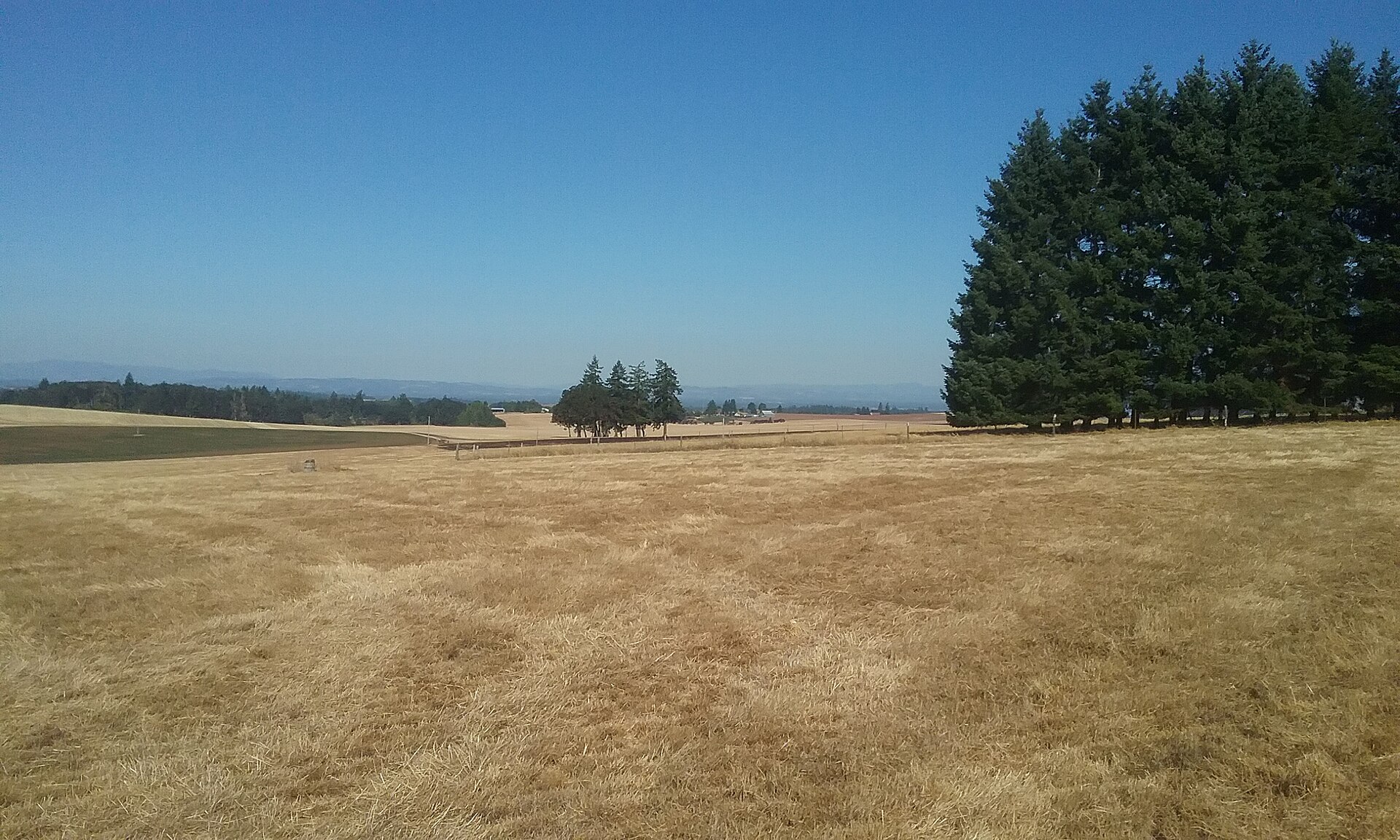
The well log, the depth and flow rate, a current water quality test, and whether the well is shared with a neighbor. Shared wells come with agreements that need reading. All of this is checkable during your inspection period.
Pull the county permit records, get a septic inspection, and ask for pumping history. You want to know the system type, drainfield location and condition, and whether the capacity matches your plans for the house.
Depends entirely on your zoning, and in Oregon farm and forest zones the answer is frequently no or only with specific approvals. This is worth confirming with Lane County planning before you buy land counting on it.
It can be. Large acreage, unusual outbuildings, and mixed use can complicate conventional loans. USDA loans are an option in eligible rural areas. The right move is to match the loan to the property before you write an offer, not after.
Where, how much, and what has to be true about it. It comes straight to me and I answer it myself.
I will reach out to go over what you told me, then send the places that actually deserve your Saturday.
Every Lane County area I serve has its own page for this.
Buying your first place, selling acreage out east, or landing here from out of state — start with a conversation. No pressure, no script, no disappearing act.
541-968-9422