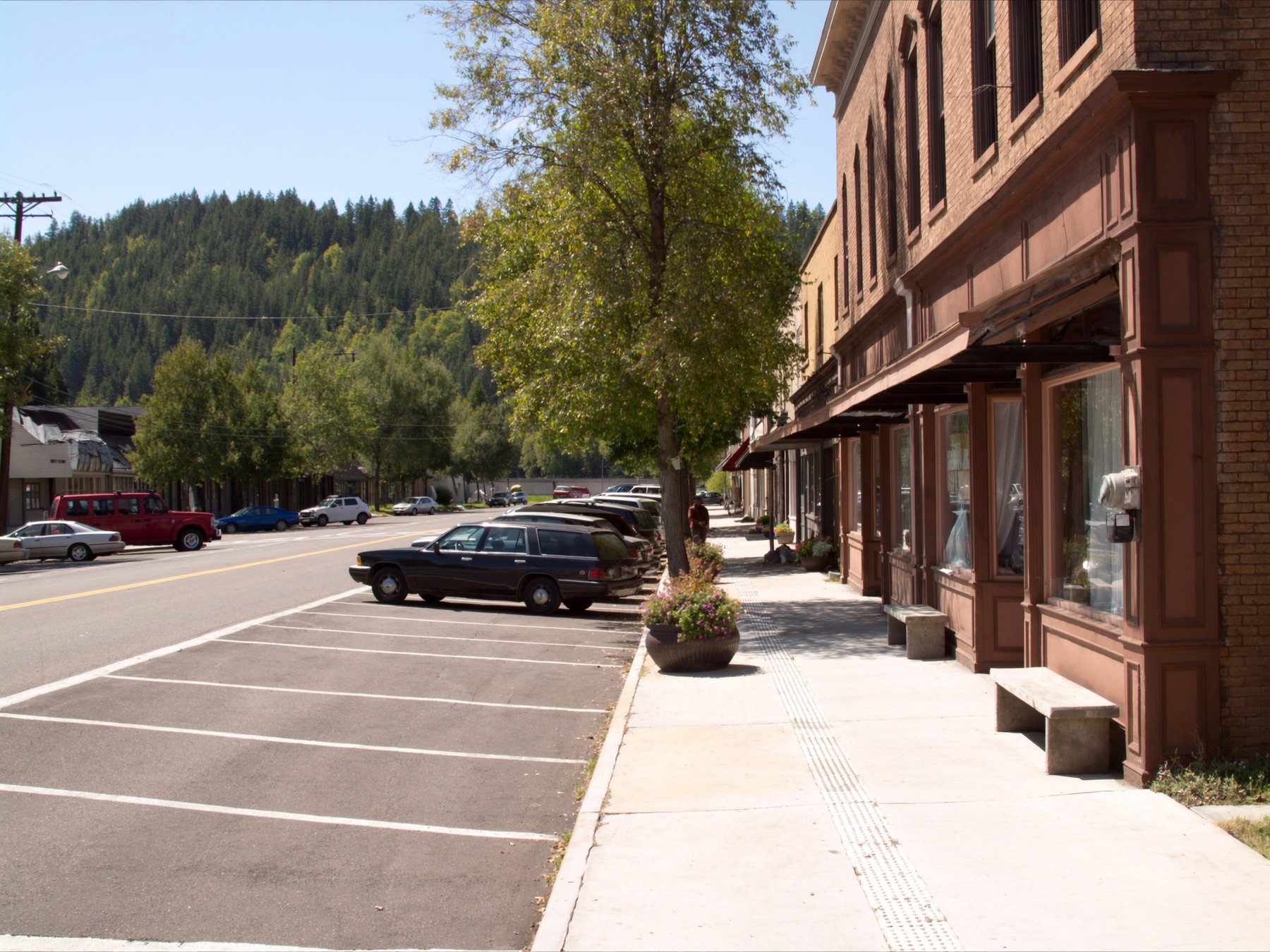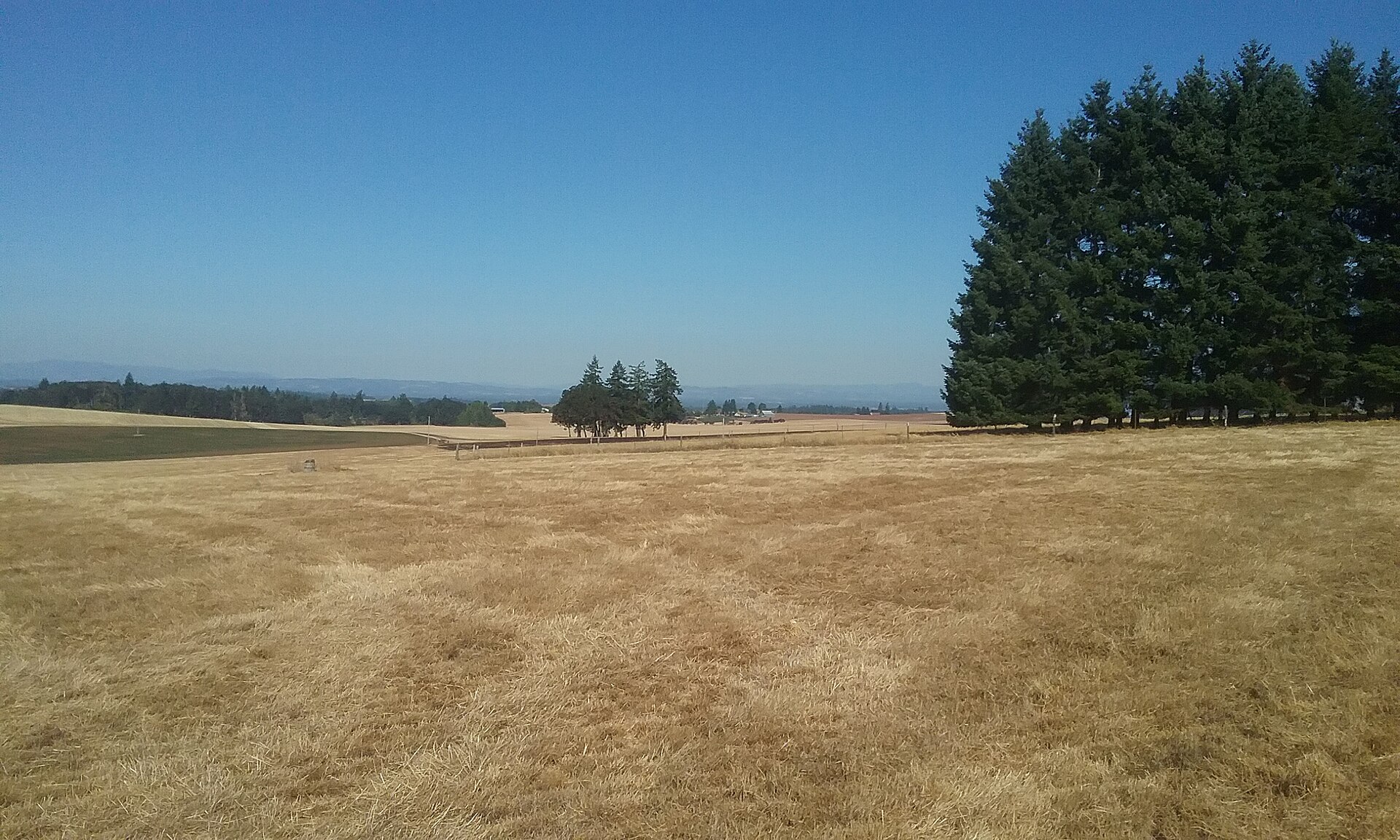
Springfield has a character all its own, and if your plan is to buy or sell rural property here, that character changes the whole approach.

Springfield's housing stock is older than the county average, with roughly six in ten homes built before 1980 and the 1970s the single biggest decade. Practically, that means solid bones and a wide range of condition. The east side toward Thurston runs newer and higher on ownership and value; the older core near downtown has the historic homes and the bigger projects. There is genuine range here, which is why first-time buyers keep finding their way in.
And the part I do everywhere: Past the city limits the rules change. Your water comes from a well, your waste goes to a septic system, your zoning decides what you can build, and your lender may have opinions about all three. None of it is complicated once someone explains it. All of it is expensive to learn the hard way.
Generic advice is worthless on a decision this size. This is what rural & acreage actually involves in Springfield, as opposed to anywhere else in the county.
City permitting and utilities. That is generally the straightforward end of the spectrum, but if your plan involves an addition, an accessory dwelling, or a change of use, confirm it against the current code before you count on it. Rules change more often than people expect.
Water is part of the appeal here and part of the diligence. Check the FEMA maps for any parcel near a river, creek, or reservoir, because floodplain status affects insurance cost and sometimes what you can build. On the Corps reservoirs, levels are managed seasonally and drawn down for flood storage, so the shoreline you see in June is not the shoreline in October. If a water view or water access is part of why you want the property, look at it in two different seasons.
Springfield is in-town living, which means city water and sewer, services close by, and a shorter drive to almost everything. The trade is price per square foot and lot size. For a lot of buyers that is exactly the right trade, because the location is the part you cannot renovate later.
Roof age and condition, the electrical panel brand, water heater date, and which way the ground slopes away from the foundation. On the older stock here, a sewer scope is the single highest-value add-on inspection, because a failed lateral under the front yard is the expensive surprise in this part of the county.
Springfield started with a spring in a field on the Briggs family claim in 1848, got its mill race hand-dug in 1852, and spent the next century as a timber town. Booth-Kelly bought the sawmill in 1901, and by the 1907 city directory most of the town worked there. That history is not decoration here. It shaped the street grid, the housing…
| ZIP codes | 97477, 97478 |
| Known for | Dorris Ranch · Clearwater Park · Middle Fork Path · Springfield Mill Race |
| Schools | Springfield Public Schools serves the city, with Springfield High School and Thurston High School as the comprehensive high schools, plus the Academy of Arts and Academics downtown. Lane… |
| Getting to town | Minutes to either downtown |

You want someone who combines real rural & acreage experience with parcel-level knowledge of Springfield. Brett Herring works Springfield as part of his core Lane County territory with The Operative Group at Real Broker, LLC, and lives in Springfield. Call or text 541-968-9422 for a straight local conversation with no pressure attached.
Springfield's housing stock is older than the county average, with roughly six in ten homes built before 1980 and the 1970s the single biggest decade. Practically, that means solid bones and a wide range of condition. The east side toward Thurston runs newer and higher on ownership and value; the older core near downtown has the historic homes and the bigger projects. There is genuine range here, which is why first-time buyers keep finding their way in.
The well log, the depth and flow rate, a current water quality test, and whether the well is shared with a neighbor. Shared wells come with agreements that need reading. All of this is checkable during your inspection period.
Pull the county permit records, get a septic inspection, and ask for pumping history. You want to know the system type, drainfield location and condition, and whether the capacity matches your plans for the house.
Depends entirely on your zoning, and in Oregon farm and forest zones the answer is frequently no or only with specific approvals. This is worth confirming with Lane County planning before you buy land counting on it.
Buying your first place, selling acreage out east, or landing here from out of state — start with a conversation. No pressure, no script, no disappearing act.
541-968-9422I read these myself. Expect a reply from me, usually the same day.