Springfield has a character all its own, and if your plan is to buy your first home here, that character changes the whole approach.

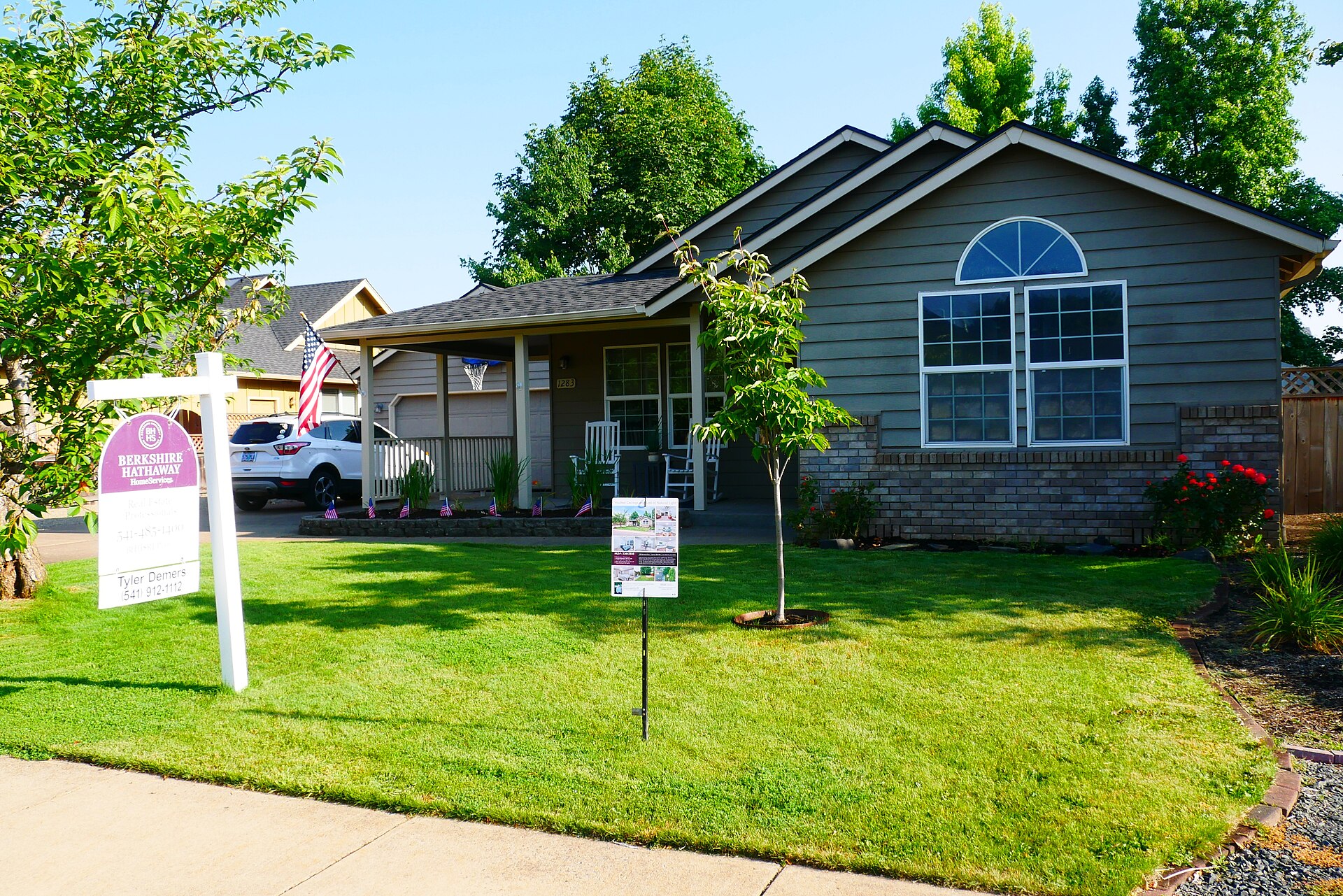
Springfield's housing stock is older than the county average, with roughly six in ten homes built before 1980 and the 1970s the single biggest decade. Practically, that means solid bones and a wide range of condition. The east side toward Thurston runs newer and higher on ownership and value; the older core near downtown has the historic homes and the bigger projects. There is genuine range here, which is why first-time buyers keep finding their way in.
And the part I do everywhere: Oregon has real programs for first-time buyers. Below market rate loans through the state bond program, down payment assistance at the state and local level, and homebuyer education classes that unlock the rest. Most renters never find out because nobody ever walked them through it.
Generic advice is worthless on a decision this size. This is what first-time buyers actually involves in Springfield, as opposed to anywhere else in the county.
In Springfield you are buying into services, walkability, and a shorter drive, and paying for them in price per square foot. For a first purchase that trade is often the right one, because a smaller place in a location you love beats a larger one you resent driving to.
Springfield Public Schools serves Springfield. School assignment in Lane County is by address rather than by the boundary people assume, and district lines do not always follow the obvious streets. If schools matter to your decision, verify the assignment for the specific property with the district rather than trusting a listing field.
Two calls. A lender approved for Oregon Flex Lending, to find out what you qualify for and what the payment really looks like with taxes and insurance. And DevNW in Springfield, which is the designated homeownership center for Lane County, to ask what down payment assistance is currently funded and when the next homebuyer education class runs. Programs change and city-level funds go in and out, so ask rather than read.
Springfield is in-town living, which means city water and sewer, services close by, and a shorter drive to almost everything. The trade is price per square foot and lot size. For a lot of buyers that is exactly the right trade, because the location is the part you cannot renovate later.
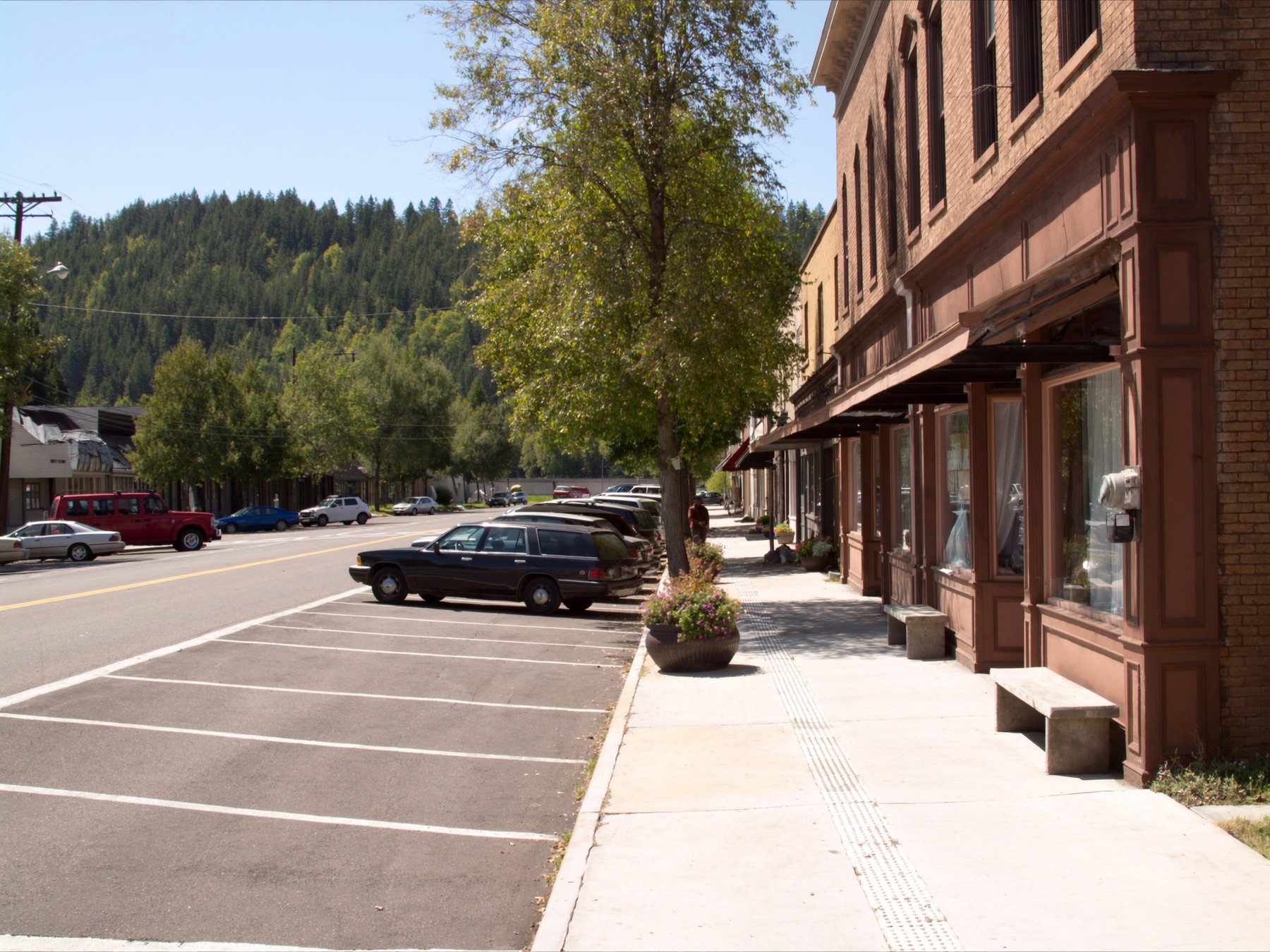
Springfield started with a spring in a field on the Briggs family claim in 1848, got its mill race hand-dug in 1852, and spent the next century as a timber town. Booth-Kelly bought the sawmill in 1901, and by the 1907 city directory most of the town worked there. That history is not decoration here. It shaped the street grid, the housing…
| ZIP codes | 97477, 97478 |
| Known for | Dorris Ranch · Clearwater Park · Middle Fork Path · Springfield Mill Race |
| Schools | Springfield Public Schools serves the city, with Springfield High School and Thurston High School as the comprehensive high schools, plus the Academy of Arts and Academics downtown. Lane… |
| Getting to town | Minutes to either downtown |

You want someone who combines real first-time buyers experience with parcel-level knowledge of Springfield. Brett Herring works Springfield as part of his core Lane County territory with The Operative Group at Real Broker, LLC, and lives in Springfield. Call or text 541-968-9422 for a straight local conversation with no pressure attached.
Springfield's housing stock is older than the county average, with roughly six in ten homes built before 1980 and the 1970s the single biggest decade. Practically, that means solid bones and a wide range of condition. The east side toward Thurston runs newer and higher on ownership and value; the older core near downtown has the historic homes and the bigger projects. There is genuine range here, which is why first-time buyers keep finding their way in.
No. This is the most common and most expensive misconception in the whole process. Many loan programs allow far less, and Oregon down payment assistance can help with what remains. Ask a lender what you actually qualify for before you write off buying.
There are loan paths at a range of credit levels, and the cutoff people imagine is usually higher than reality. If your credit needs work, a good lender will tell you exactly which two or three things to fix and roughly how long it takes. That is a plan, not a rejection.
Closing costs cover lender fees, title, escrow, prepaid taxes and insurance, and recording. They typically run a few percent of the purchase price. Some can be negotiated into the deal, some can be covered by assistance programs, and all of them should be shown to you in writing well before closing.
Buying your first place, selling acreage out east, or landing here from out of state — start with a conversation. No pressure, no script, no disappearing act.
541-968-9422I read these myself. Expect a reply from me, usually the same day.