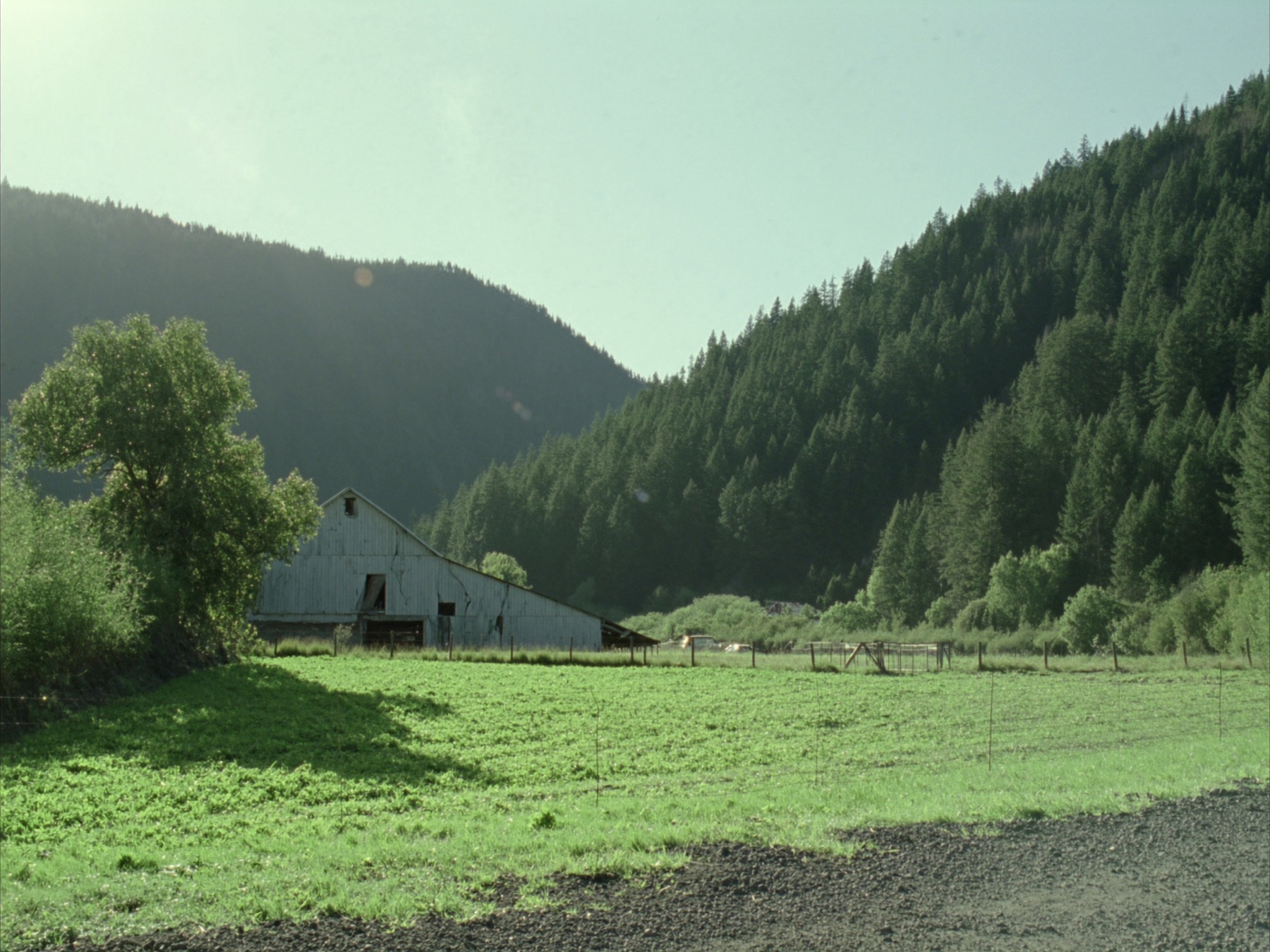
Mohawk Valley has a character all its own, and if your plan is to buy an investment property here, that character changes the whole approach.

Acreage, small farms, and rural homesites, most on well and septic. Zoning here leans farm and forest, which shapes what can be built. Timber ground shows up in this valley, and with it the tax and management questions that come with forest deferral.
And the part I do everywhere: A rental is a business with a roof. It either pencils or it does not, and the way to find out is arithmetic done before you are emotionally invested. Purchase price, realistic rent, vacancy, taxes, insurance, management, maintenance reserve, and what happens the year the roof goes.
Generic advice is worthless on a decision this size. This is what investment actually involves in Mohawk Valley, as opposed to anywhere else in the county.
Be careful here. This is a thin rental market, and a property that pencils on paper can sit empty far longer than a metro model predicts. Fewer comparable rents means less pricing confidence, and distance makes management harder and more expensive. It can work. It needs conservative assumptions.
Oregon has statewide landlord tenant law that is more tenant protective than many states, covering notice requirements and limits on rent increases. None of that makes rentals a bad idea and all of it makes going in informed a good one. Talk to a property manager or an attorney before your first purchase so you start compliant instead of correcting later.
A tenant will not notice a slow leak, watch the pressure tank, or keep vehicles off the drainfield. On well and septic property that turns routine maintenance into deferred maintenance fast. Budget for it, inspect harder than you would in town, and set expectations with tenants in writing.
Gross rent is the least interesting figure in the analysis. What matters is what survives taxes, insurance, vacancy, maintenance reserve, management, and debt service. I will run that honestly for a Mohawk Valley property, including on deals I would not do myself.
This is genuinely rural property, not a subdivision with a view. You take on your own water and waste, longer drives for everything, and weather that occasionally takes the power out. In exchange you get room, quiet, and neighbors who show up with equipment when you need it. Most people who move out here would not go back. The ones who struggle are almost always the ones nobody told in advance.
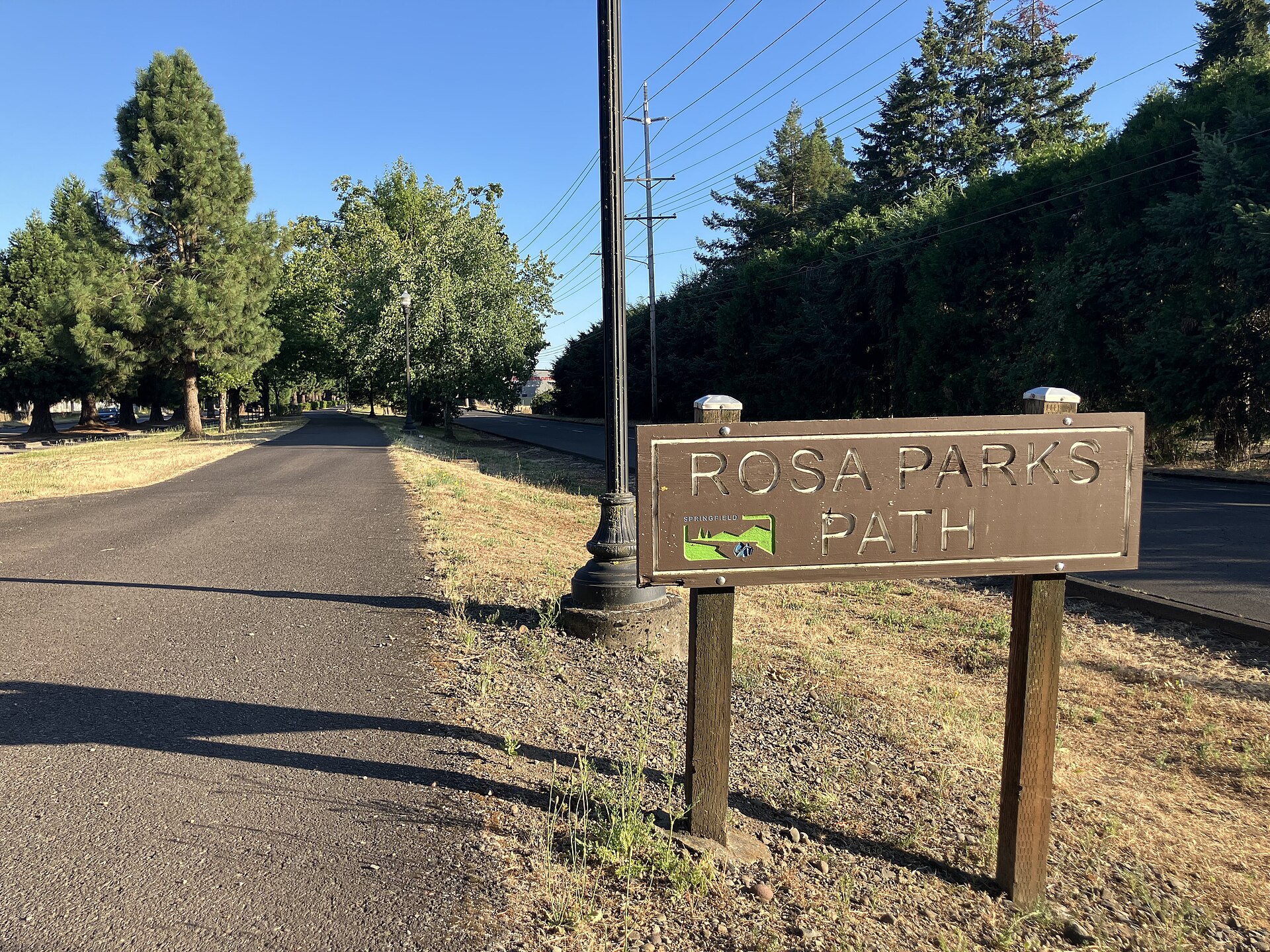
Head north out of Springfield on Marcola Road and the subdivisions stop quickly. The Mohawk Valley opens up into pasture, timber, and small farms tucked against the hills. It is one of the closest places to the metro where you can own real ground and still be back in town in the time it takes to get across a city.
| ZIP codes | 97477, 97454 |
| Known for | Mohawk River · Marcola Road · Wendling covered bridge · Timber country |
| Schools | Marcola School District serves the upper valley; Springfield schools serve the areas closer to town. |
| Getting to town | Ten to twenty minutes down Marcola Road |

You want someone who combines real investment experience with parcel-level knowledge of Mohawk Valley. Brett Herring works Mohawk Valley as part of his core Lane County territory with The Operative Group at Real Broker, LLC, and lives in Springfield. Call or text 541-968-9422 for a straight local conversation with no pressure attached.
Acreage, small farms, and rural homesites, most on well and septic. Zoning here leans farm and forest, which shapes what can be built. Timber ground shows up in this valley, and with it the tax and management questions that come with forest deferral.
Some do, some do not, and the difference is the purchase price and the condition. The analysis is straightforward and I will run it honestly, including on deals I would not do myself.
Vacancy, capital reserves for roof and HVAC, and management. Skipping those three makes almost any property look profitable on a spreadsheet and disappointing in real life.
Yes. Oregon has statewide rules covering notice, rent increase limits, and tenant protections. Talk to a property manager or attorney before your first purchase so you start compliant.
Buying your first place, selling acreage out east, or landing here from out of state — start with a conversation. No pressure, no script, no disappearing act.
541-968-9422I read these myself. Expect a reply from me, usually the same day.